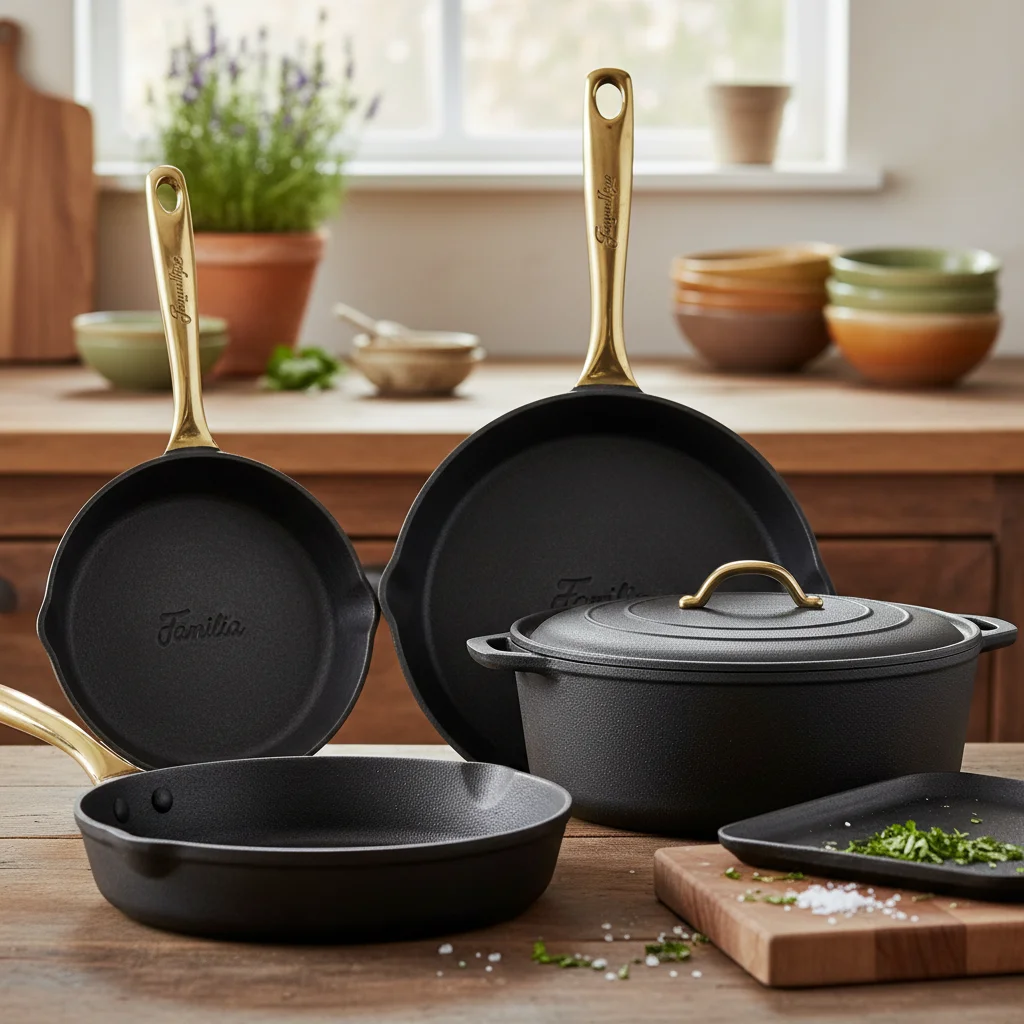
Cast iron for campfire cooking represents a time-honored tradition, experiencing a significant resurgence in popularity as people reconnect with nature and seek more authentic outdoor experiences. Its durability, heat retention, and versatility make it uniquely suited for creating delicious meals in the wilderness. Beyond recreational use, understanding the properties of cast iron is crucial for various applications in remote areas, from sustainable cooking solutions to durable cookware for communities lacking modern infrastructure. This exploration will delve into the benefits and applications of cast iron for campfire cooking, highlighting its enduring appeal and practical advantages.
The global appeal of cast iron for campfire use is rooted in its simplicity and reliability. In a world increasingly reliant on complex technology, cast iron offers a refreshingly straightforward cooking method, needing minimal setup and maintenance. Data indicates a growing market for outdoor cooking equipment, fueled by the rise of glamping, backcountry adventures, and a desire for self-sufficiency. Organizations promoting sustainable tourism and responsible outdoor recreation increasingly recommend cast iron as an environmentally sound and culturally relevant cooking choice.
However, a challenge exists in balancing the traditional benefits of cast iron with modern demands for convenience and lightweight portability. While its robustness is a key strength, its weight can be a deterrent for long-distance backpacking. Addressing this challenge through innovative design and material improvements is vital to expanding the accessibility of cast iron for a wider range of outdoor enthusiasts.
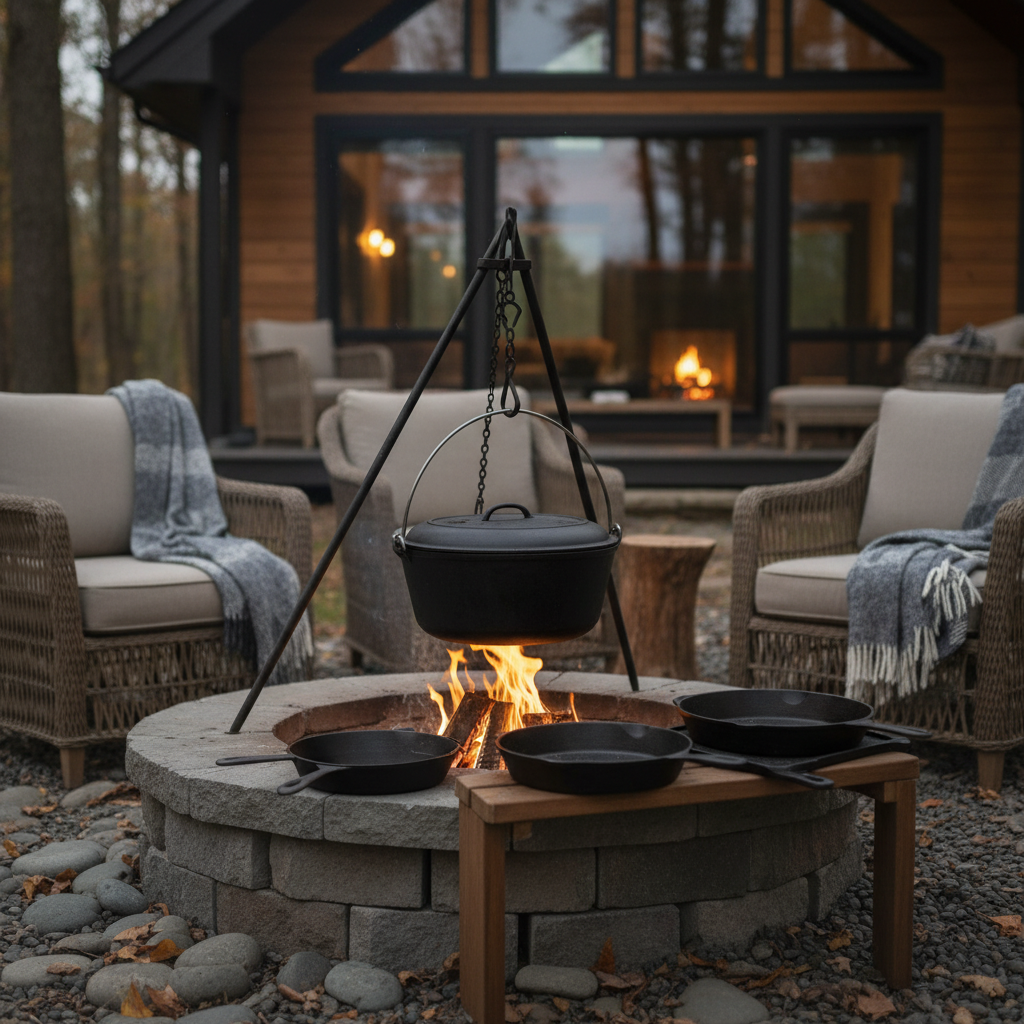
Introduction to cast iron for campfire
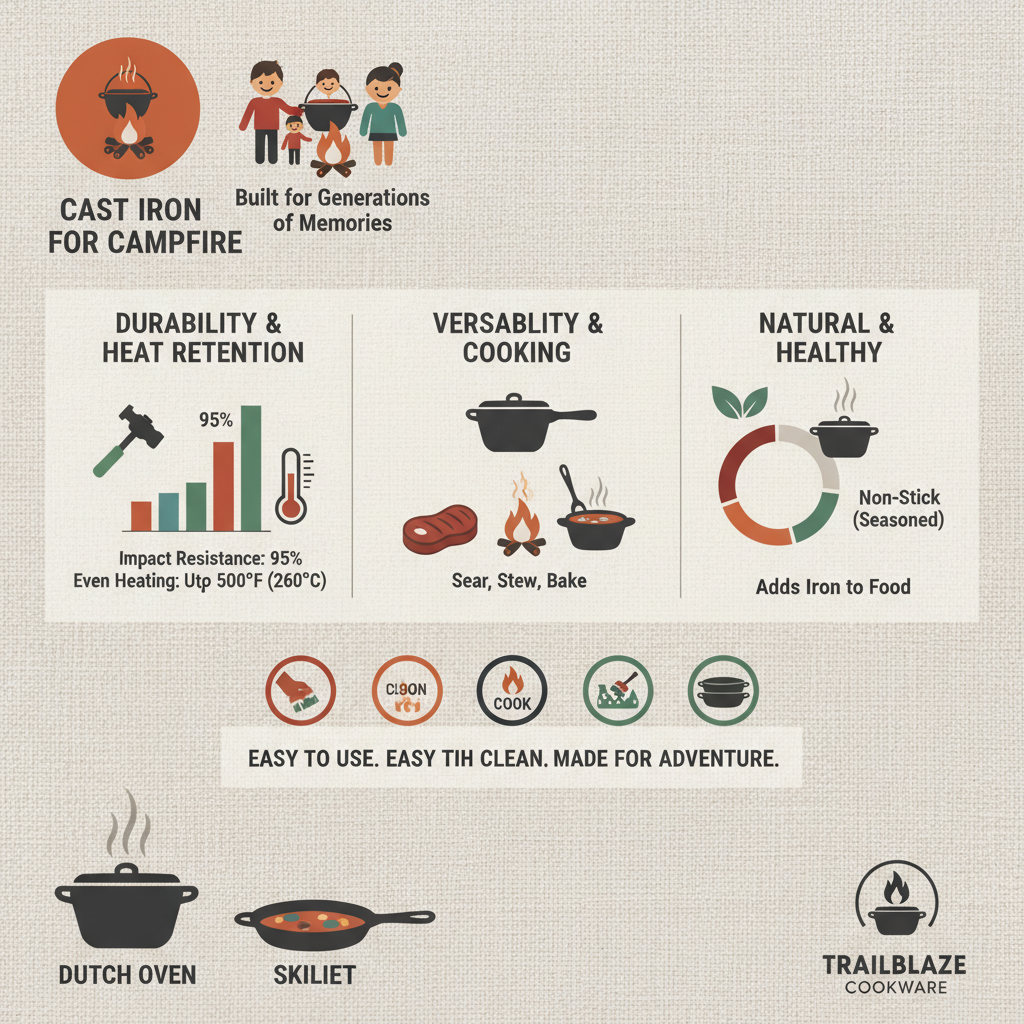
The enduring appeal of cast iron for campfire cooking stems from its unique ability to distribute heat evenly and retain it for extended periods. This characteristic is particularly beneficial in outdoor settings where consistent temperature control can be challenging. Whether simmering a hearty stew or searing a juicy steak, cast iron provides a reliable cooking surface capable of delivering exceptional results.
The resurgence of interest in traditional cooking methods has contributed significantly to the renewed popularity of cast iron. Many outdoor enthusiasts appreciate the simplicity and robustness of cast iron, finding it a refreshing alternative to modern, high-tech cookware. Its versatility also allows for a wide range of cooking techniques, from baking and frying to braising and roasting, all over an open flame.
Defining Cast Iron for Campfire
Cast iron for campfire refers specifically to cookware – typically pots, pans, Dutch ovens, and skillets – made from cast iron and designed for use directly over an open fire or on a campfire grill. Unlike stainless steel or aluminum, cast iron is an alloy of iron, carbon, and silicon, giving it its unique properties. This composition makes it exceptionally durable and capable of withstanding high temperatures.
The connection to modern industry and humanitarian needs lies in its longevity and minimal reliance on complex manufacturing processes. Cast iron cookware can last for generations with proper care, reducing the need for frequent replacements and minimizing waste. Furthermore, its simplicity and durability make it a valuable asset in disaster relief scenarios or remote communities where access to sophisticated cooking equipment is limited.
Proper seasoning – the process of coating the cast iron with layers of polymerized oil – is crucial. Seasoning not only prevents rusting but also creates a naturally non-stick surface, enhancing the cooking experience and making cleanup easier.
Key Factors of cast iron for campfire
Durability: Cast iron’s inherent strength allows it to withstand the rigors of outdoor use, including exposure to high heat, rough handling, and varying weather conditions. A well-maintained piece of cast iron can truly last a lifetime, making it a sustainable and cost-effective investment.
Heat Retention: Cast iron excels at retaining heat, providing consistent cooking temperatures even as the campfire fluctuates. This is particularly important for slow-cooking dishes like stews and chili, where maintaining a stable temperature is essential for optimal flavor development.
Versatility: Cast iron cookware can be used for a wide range of cooking tasks, from searing and frying to baking and braising. It’s also compatible with a variety of heat sources, including open fires, camp stoves, and even modern ovens.
Global Applications of cast iron for campfire
The use of cast iron for campfire extends far beyond recreational camping. In many rural communities around the world, cast iron pots and pans remain a staple in traditional kitchens, offering a reliable and affordable cooking solution. Organizations providing disaster relief often include cast iron cookware in emergency kits, recognizing its durability and practicality in challenging environments.
In remote areas where access to electricity is limited, cast iron facilitates sustainable cooking practices. Using locally sourced firewood, families can prepare nutritious meals without relying on fossil fuels. This is particularly relevant in regions like sub-Saharan Africa and parts of Asia, where energy poverty remains a significant issue.
Furthermore, cast iron is embraced by outdoor education programs that emphasize self-reliance and wilderness skills. Teaching individuals how to cook over an open fire with cast iron fosters a connection to nature and promotes responsible outdoor practices.
Cast Iron for Campfire Cooking Method Ratings
Advantages of cast iron for campfire
Beyond its practical benefits, cast iron for campfire offers significant long-term value. Its durability translates into cost savings, as a well-cared-for piece of cookware can last for decades, reducing the need for frequent replacements. This aligns with principles of sustainable consumption and responsible resource management.
The emotional connection associated with cast iron also contributes to its enduring appeal. Many people cherish cast iron cookware passed down through generations, viewing it as a symbol of family tradition and shared experiences. This intangible value adds to the overall satisfaction of using cast iron for campfire cooking.
Future Trends for cast iron for campfire
Innovation in cast iron manufacturing is focused on addressing the weight issue. Lighter-weight cast iron alloys and thinner-walled designs are emerging, maintaining the core benefits of cast iron while improving portability. Additionally, advancements in seasoning techniques are simplifying the maintenance process, making cast iron more accessible to beginners.
The integration of smart technology is also gaining traction. Some manufacturers are developing cast iron cookware with embedded sensors that provide real-time temperature monitoring, enhancing cooking precision and reducing the risk of burning food.
Furthermore, the emphasis on sustainability is driving demand for recycled cast iron and eco-friendly seasoning oils. Consumers are increasingly seeking products that align with their environmental values, and cast iron manufacturers are responding by adopting more responsible manufacturing practices.
Challenges and Solutions for cast iron for campfire
A common challenge is the weight of traditional cast iron, particularly for backpackers and long-distance hikers. Solutions include exploring lighter alloys, reducing wall thickness through advanced casting techniques, and designing ergonomic handles for easier carrying.
Rusting is another concern, particularly in humid environments. Proper seasoning, regular oiling, and thorough drying after each use are crucial preventative measures. Manufacturers are also developing enhanced seasoning formulas that provide greater rust resistance.
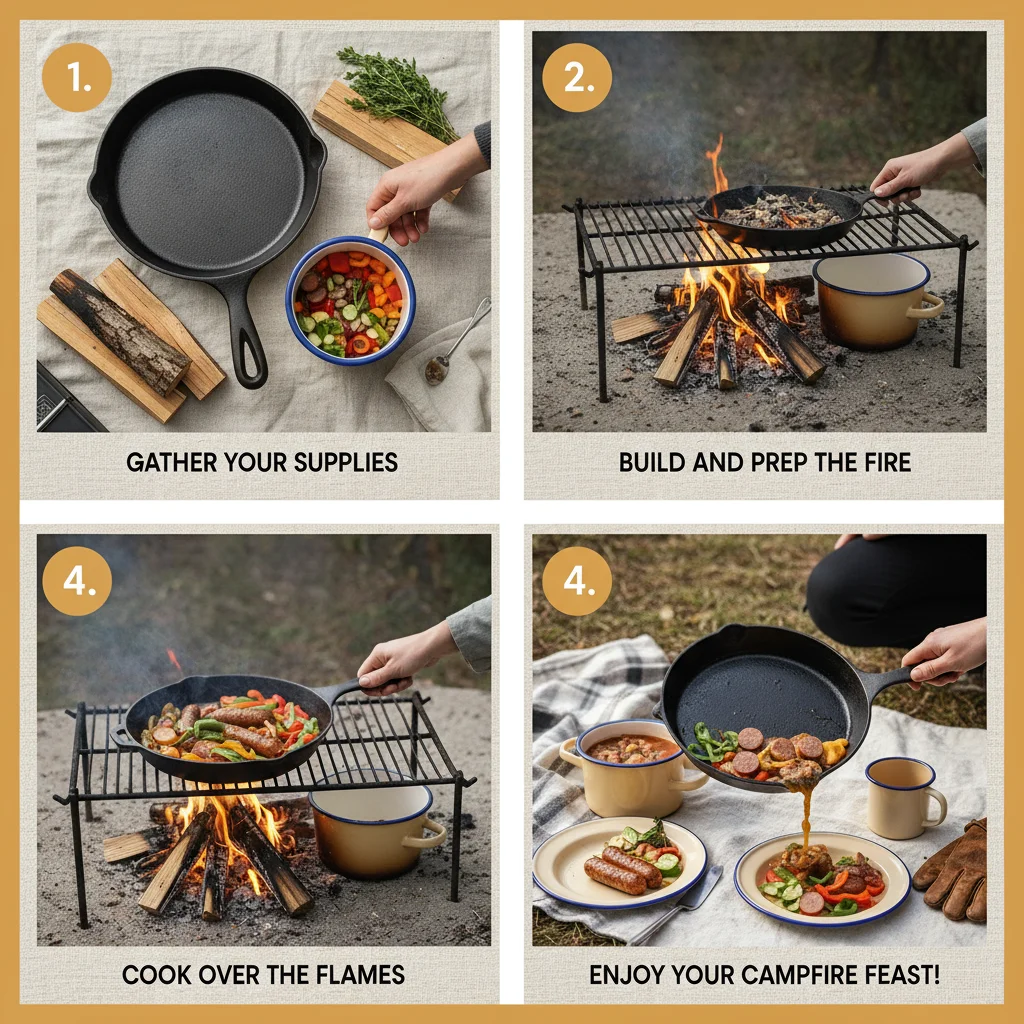
Finally, maintaining a consistent temperature over an open fire can be difficult. Using a campfire grill, carefully managing the fire, and employing techniques like building a coal bed can help regulate heat and ensure even cooking.
Summary of Cast Iron for Campfire Challenges and Solutions
| Challenge |
Impact on Campfire Cooking |
Proposed Solution |
Implementation Difficulty (1-10) |
| Weight |
Limits portability for backpacking |
Lighter alloys and thinner walls |
6 |
| Rusting |
Reduces lifespan and food safety |
Improved seasoning and oiling techniques |
4 |
| Temperature Control |
Uneven cooking and burning |
Campfire grills and coal bed management |
5 |
| Seasoning Maintenance |
Time-consuming and requires knowledge |
Pre-seasoned cookware and simplified seasoning oils |
3 |
| Heat Distribution |
Hot spots can lead to uneven cooking |
Using a diffuser plate or carefully positioning cookware |
7 |
| Cleaning & Upkeep |
Requires specific cleaning methods to preserve seasoning |
Gentle cleaning with mild soap and avoiding harsh abrasives |
2 |
FAQS
Proper seasoning is key to preventing rust and creating a naturally non-stick surface. Start by thoroughly cleaning the cast iron, then apply a thin, even coat of oil (flaxseed, canola, or vegetable oil work well). Bake it upside down in a 350-400°F oven for an hour, then let it cool completely. Repeat this process several times to build up a strong seasoning layer. Regular use over a campfire will also contribute to maintaining the seasoning.
Rust is the enemy of cast iron! After each use, thoroughly clean and dry the cookware. Apply a very light coat of oil to all surfaces, including the inside and outside. Store it in a dry place, ideally wrapped in a cloth or paper towels. If you encounter rust, scrub it off with steel wool and re-season the affected area.
Traditional cast iron can be heavy for backpacking. However, lighter-weight cast iron options are becoming available, or consider bringing a smaller skillet or Dutch oven. Alternatively, you can share the weight with fellow hikers. Carefully consider your trip length and physical capabilities when deciding whether to bring cast iron on a backpacking adventure.
Historically, soap was avoided, but modern mild dish soaps can be used sparingly. Avoid harsh detergents or abrasive cleaners. Thoroughly rinse and dry the cast iron immediately after washing, and re-oil it to maintain the seasoning. The key is to not let it sit wet for long.
Hardwoods like oak, maple, or hickory provide a consistent and long-lasting heat source. Avoid softwoods like pine, which produce a lot of smoke and can impart a resinous flavor to your food. A well-established coal bed is ideal for maintaining a steady cooking temperature. Ensure adequate ventilation for safe cooking.
For stubborn burned-on food, try boiling water in the cast iron for a few minutes, then gently scraping with a wooden spoon or plastic scraper. Avoid using metal utensils, which can damage the seasoning. In severe cases, you can use a chainmail scrubber specifically designed for cast iron.
Conclusion
Cast iron for campfire represents more than just a cooking method; it's a connection to tradition, a symbol of self-sufficiency, and a testament to the enduring quality of simple, durable tools. Its versatility, heat retention, and longevity make it an invaluable asset for outdoor enthusiasts, remote communities, and anyone seeking a more authentic cooking experience. Embracing cast iron fosters a deeper appreciation for nature and the art of slow cooking.
As we look to the future, continued innovation in cast iron manufacturing will address existing challenges, such as weight and maintenance. By embracing lighter alloys, simplified seasoning techniques, and sustainable practices, cast iron for campfire can remain a relevant and cherished cooking method for generations to come. Visit our website at www.jsycastiron.com to explore our range of high-quality cast iron cookware.