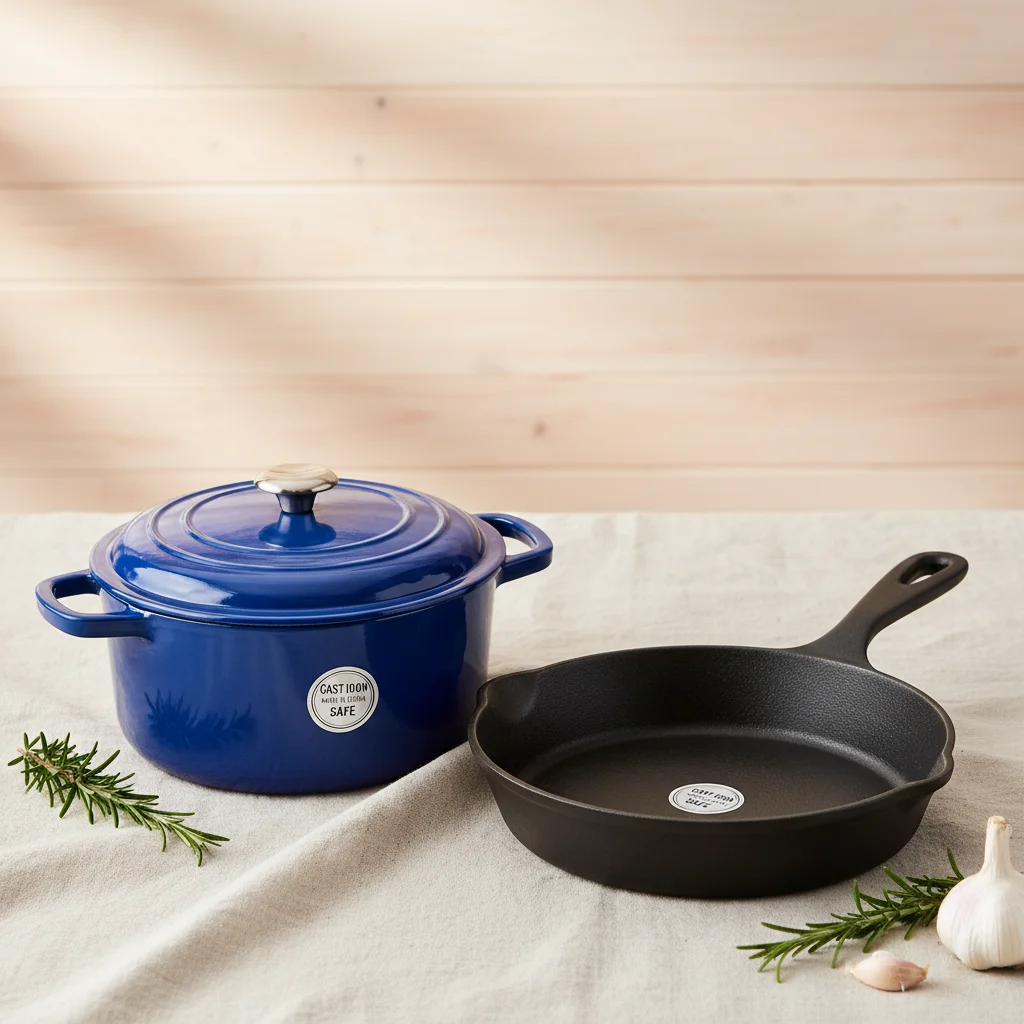
Essential Tips for Seasoning and Maintaining Cast Iron Cookware
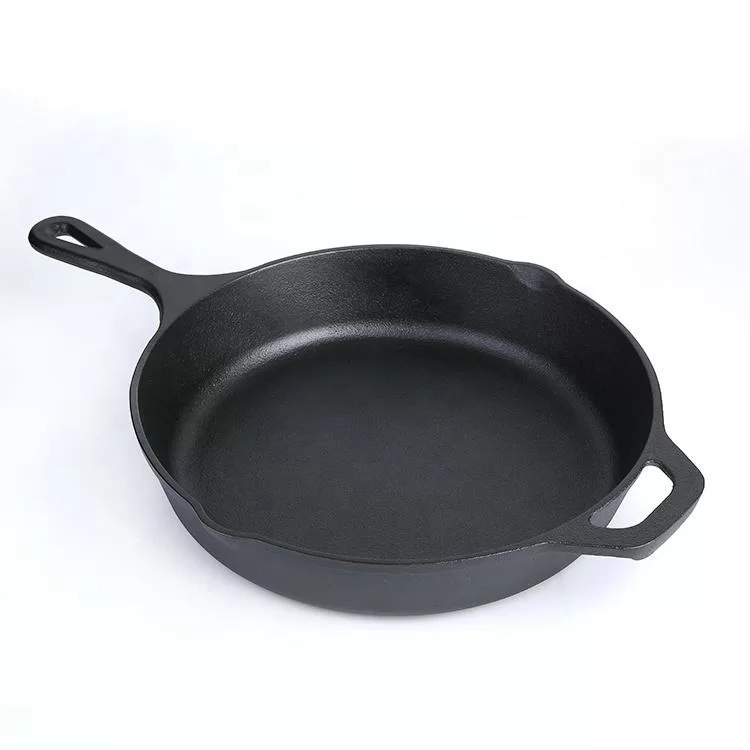
Cast iron cookware is renowned for its durability, versatility, and ability to enhance the flavor of your dishes over time. However, maintaining its performance requires proper seasoning and care. Seasoning is the process of coating the cookware with a layer of oil and heating it to create a natural, non-stick surface that protects against rust and improves cooking results. To season cast iron, start by cleaning the pan thoroughly with warm water and a soft brush or sponge, avoiding harsh detergents that can strip the existing seasoning. After drying completely, apply a thin layer of vegetable oil, flaxseed oil, or another cooking oil evenly across all surfaces, including handles. Place the pan upside down in an oven preheated to around 180–200°C (350–400°F) for an hour, allowing the oil to polymerize and form a hard, protective layer.
Regular maintenance is key to keeping cast iron in optimal condition. After each use, clean the cookware with warm water and a soft brush, avoiding prolonged soaking. For stubborn food residue, gently scrub with coarse salt and a little oil. Always dry the pan immediately to prevent rust, and apply a thin layer of oil before storing. Avoid cooking acidic foods frequently, as they can wear down the seasoning over time. With consistent care, cast iron cookware not only maintains its non-stick properties but also develops a naturally smooth, blackened patina that enhances flavor and cooking performance.
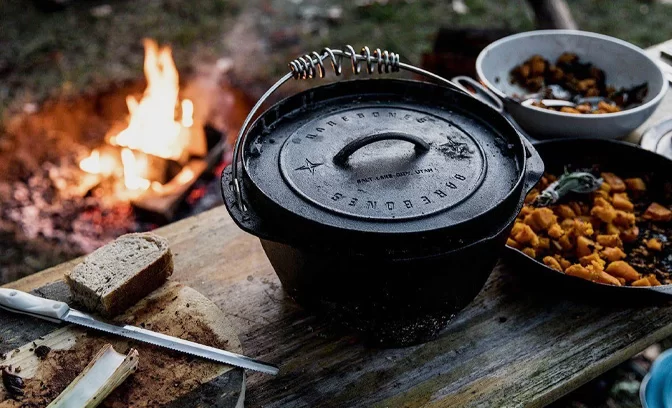
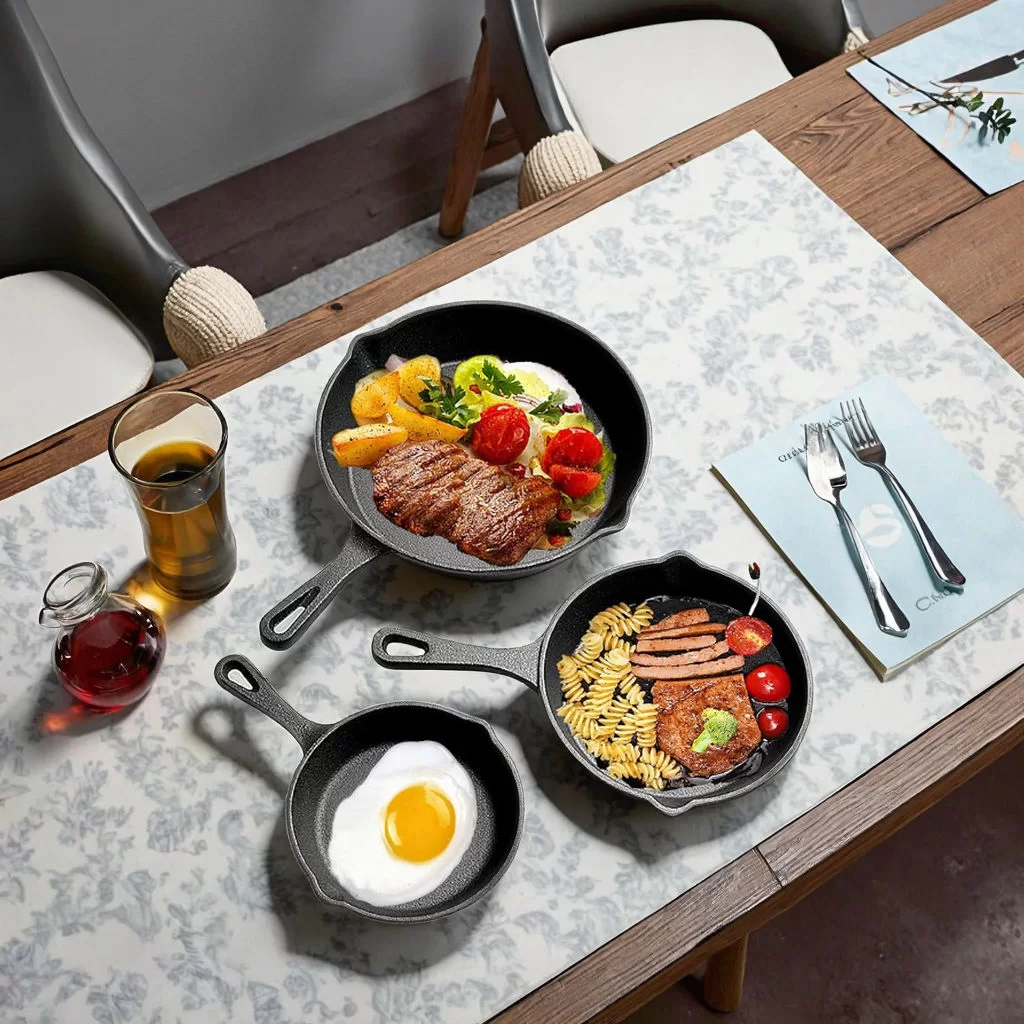
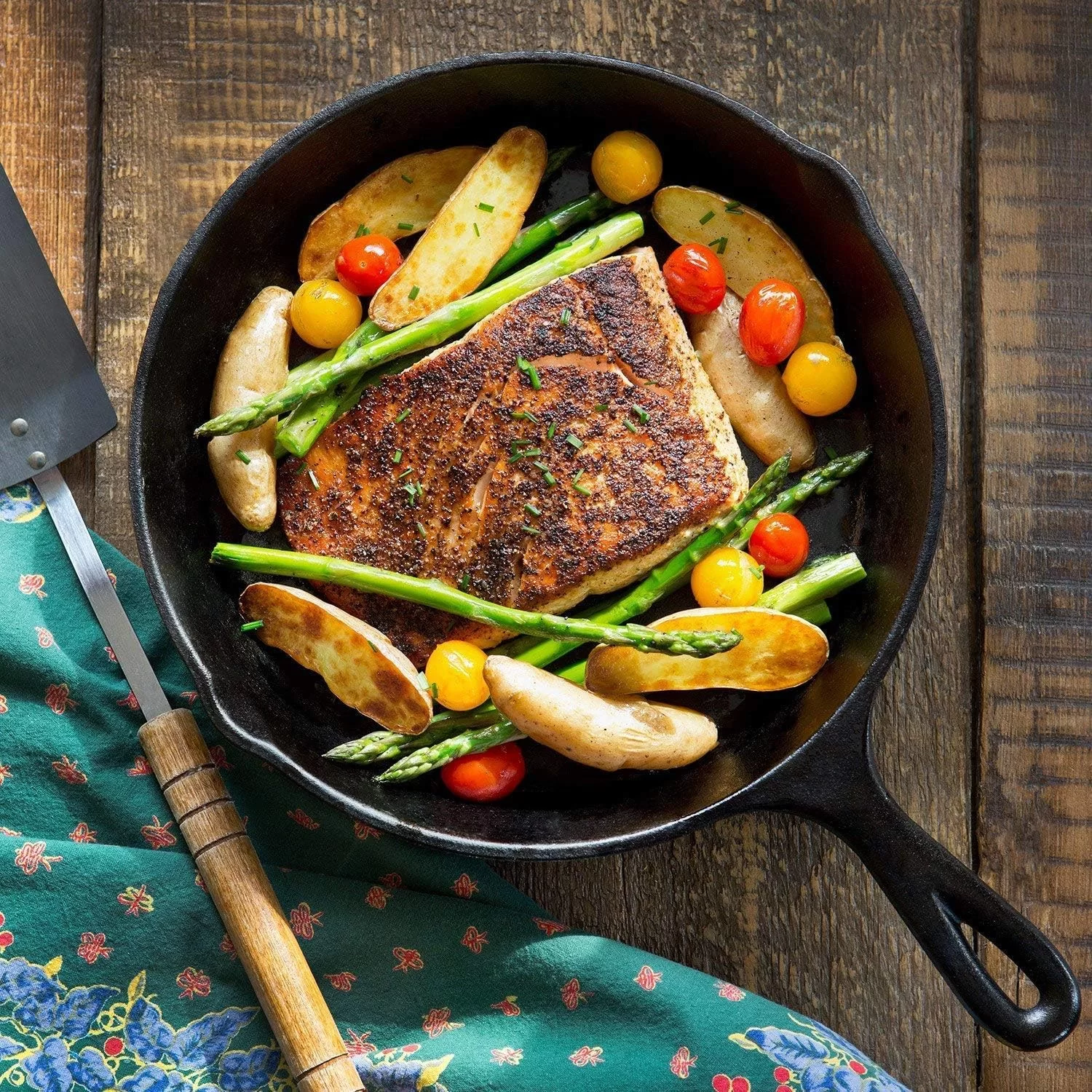
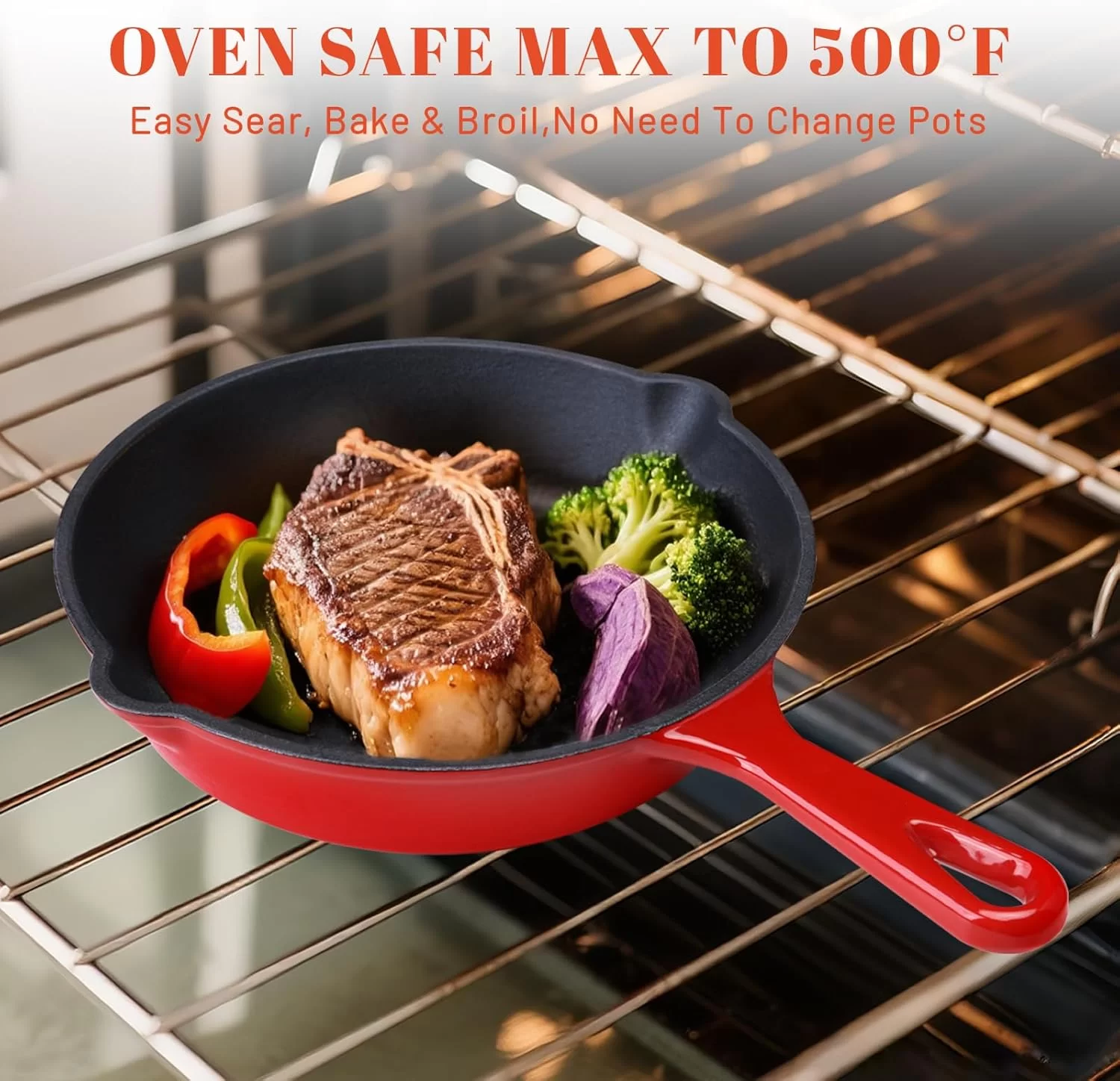
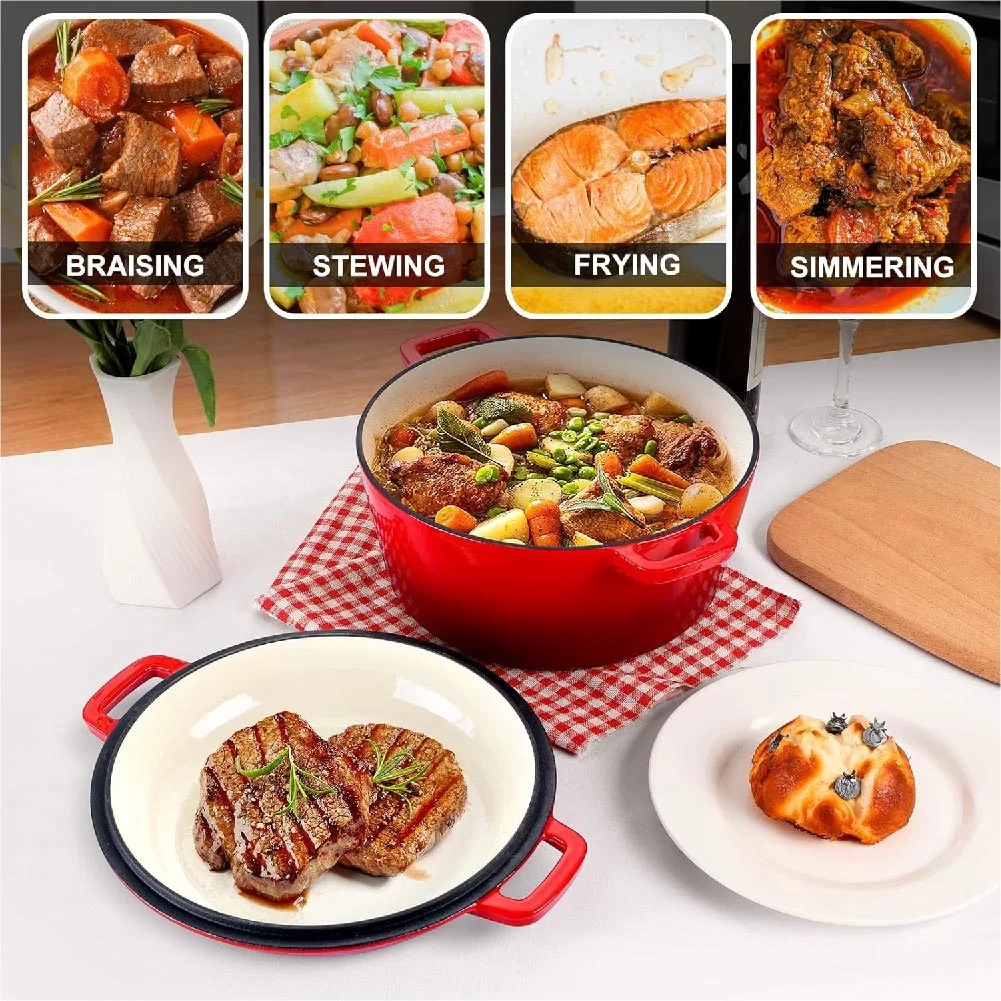
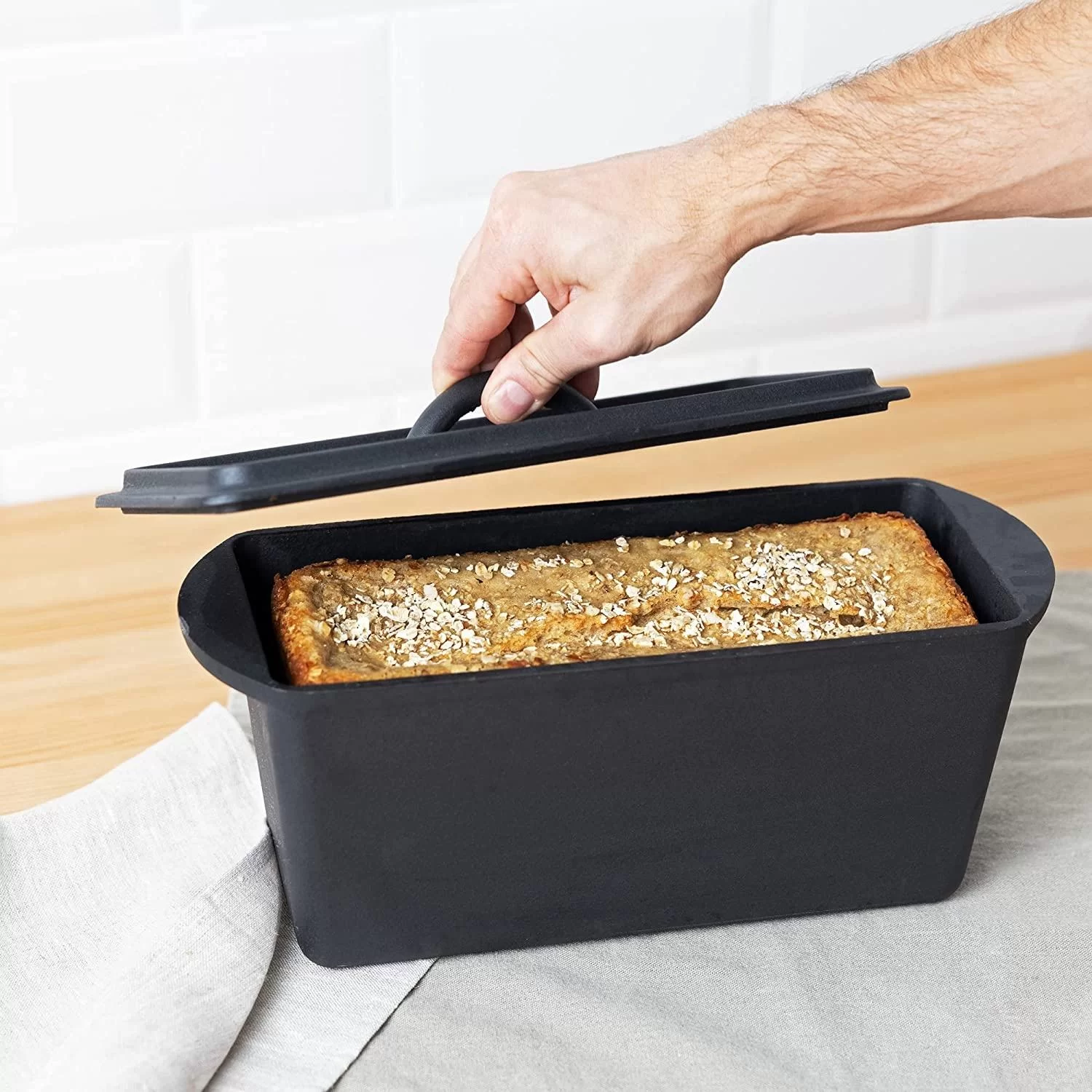
Proper handling ensures your cast iron pans, skillets, and Dutch ovens can last for decades, even generations, while delivering superior heat retention and even cooking. Investing time in seasoning and maintenance transforms ordinary cast iron cookware into a lifelong kitchen companion, combining traditional craftsmanship with modern cooking convenience. By following these essential tips, you can enjoy the full benefits of cast iron cookware, from perfectly seared meats to slow-cooked stews and baked bread.