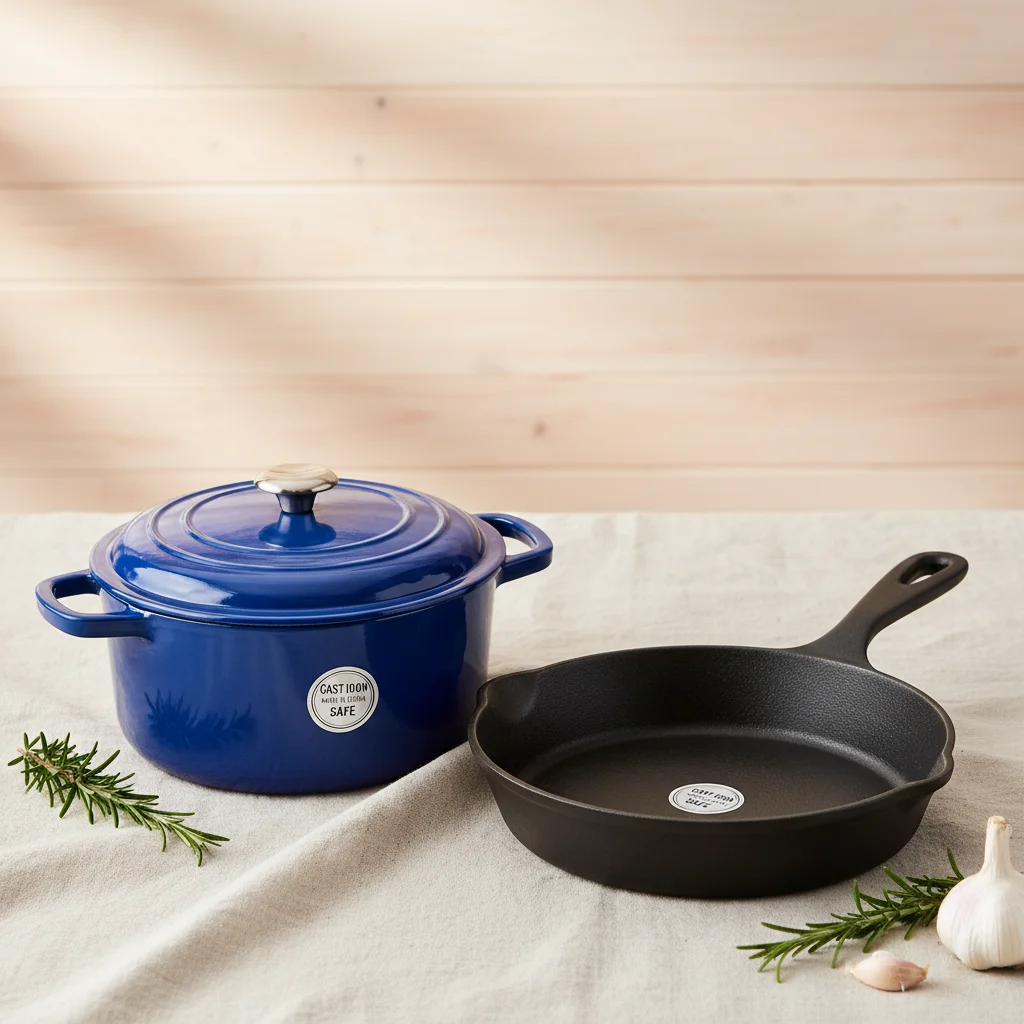
Unlocking the Potential of ODM Cast Iron Dutch Oven: Durable Kitchenware Meets Global Craftsmanship
When you hear “ODM cast iron dutch oven,” what springs to mind? Maybe a heavy, trusty pot that’s been in kitchens for generations — and you'd be right. But today, this culinary classic spans far beyond simple cooking. It’s a nod to meticulous Original Design Manufacturing in the cast iron world, becoming an emblem not only of quality but also of global supply chain prowess. Understanding how an ODM cast iron dutch oven is crafted and distributed matters because it blends heritage with modern manufacturing techniques, supporting local artisans while satisfying international standards. This synergy fuels economies and provides durable, sustainable cooking solutions worldwide.
Introduction: Why the ODM Cast Iron Dutch Oven Matters Globally
The global cookware market is projected to surpass $19 billion by 2027, per industry reports, with cast iron cookware holding a steady segment thanks to its durability and health benefits. But what’s interesting is how the ODM process — where manufacturers design and produce products for other companies — empowers regions specializing in cast iron craftsmanship to reach global consumers efficiently. For regions with growing middle-class populations eager for durable kitchenware, ODM cast iron dutch ovens represent consistent quality without the cost or hassle of in-house design. The challenge? Meeting international quality standards, diverse customer demands, and sustainability goals all at once.
Defining the ODM Cast Iron Dutch Oven
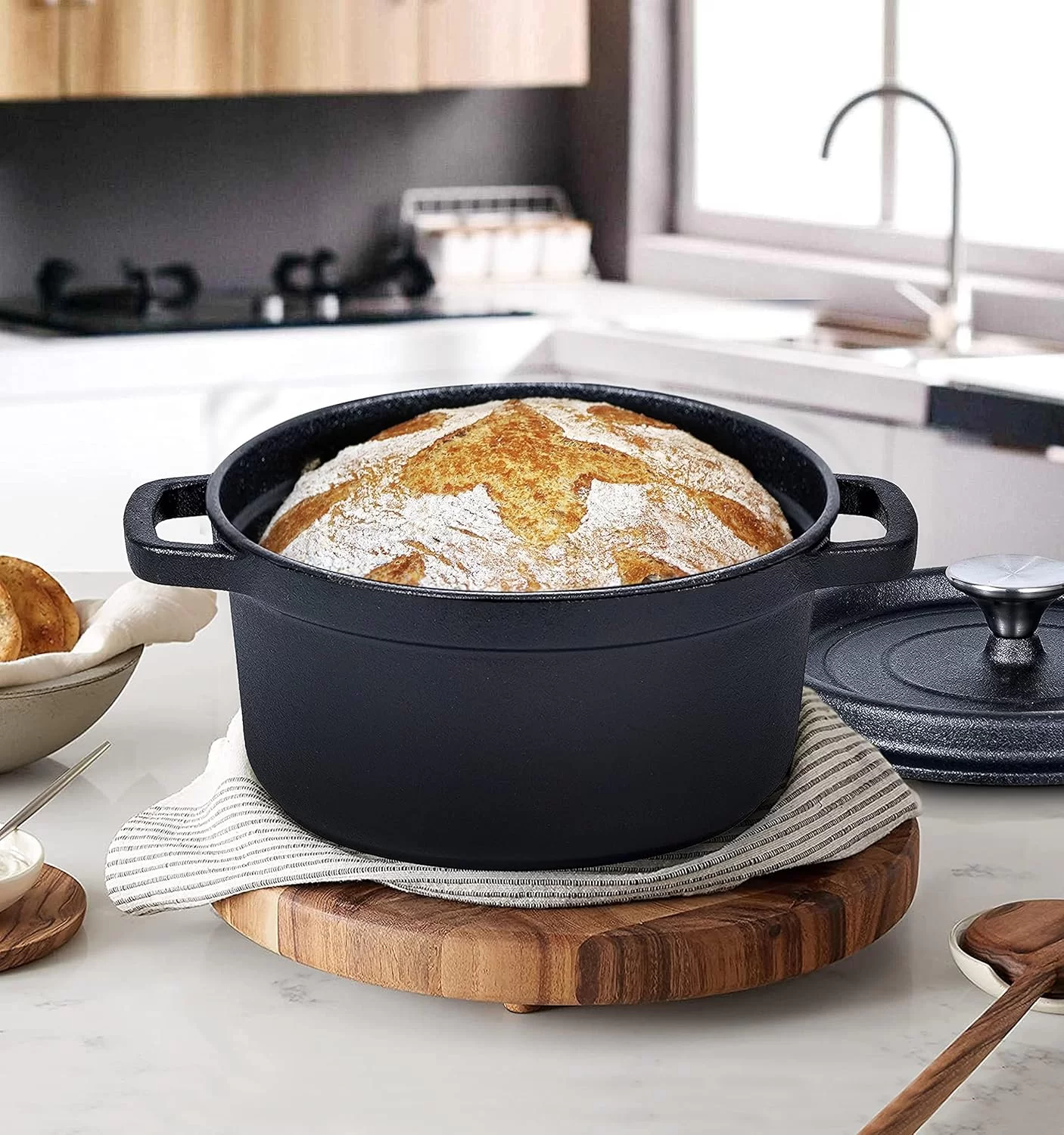
Simply put, an ODM cast iron dutch oven is a robust, heavy-duty cooking pot made primarily by manufacturers who develop the design themselves and then produce these for various brands or distributors. Unlike OEM, where the buyer provides the design, ODM companies invest in R&D, tooling, and materials expertise, particularly mastering cast iron’s thickness, seasoning methods, and ergonomic designs. These dutch ovens are ideal for slow cooking, baking, frying, and simmering, linking centuries-old techniques to modern commercial manufacturing aimed at global markets.
Key Factors in ODM Cast Iron Dutch Oven Production
Durability
Cast iron is famously tough — resistant to warping and scratching and able to last for generations when cared for properly. ODM manufacturers optimize thickness and finish treatments to balance weight with handling ease.
Heat Retention and Distribution
One hallmark of a good cast iron dutch oven is evenly dispersing heat. ODM producers fine-tune casting molds and iron composition to maximize thermal performance for seamless cooking.
Cost Efficiency
ODM designs enable economies of scale: manufacturers refine tooling and materials sourcing to create affordable yet premium products, crucial for competing in global markets.
Customization and Aesthetics
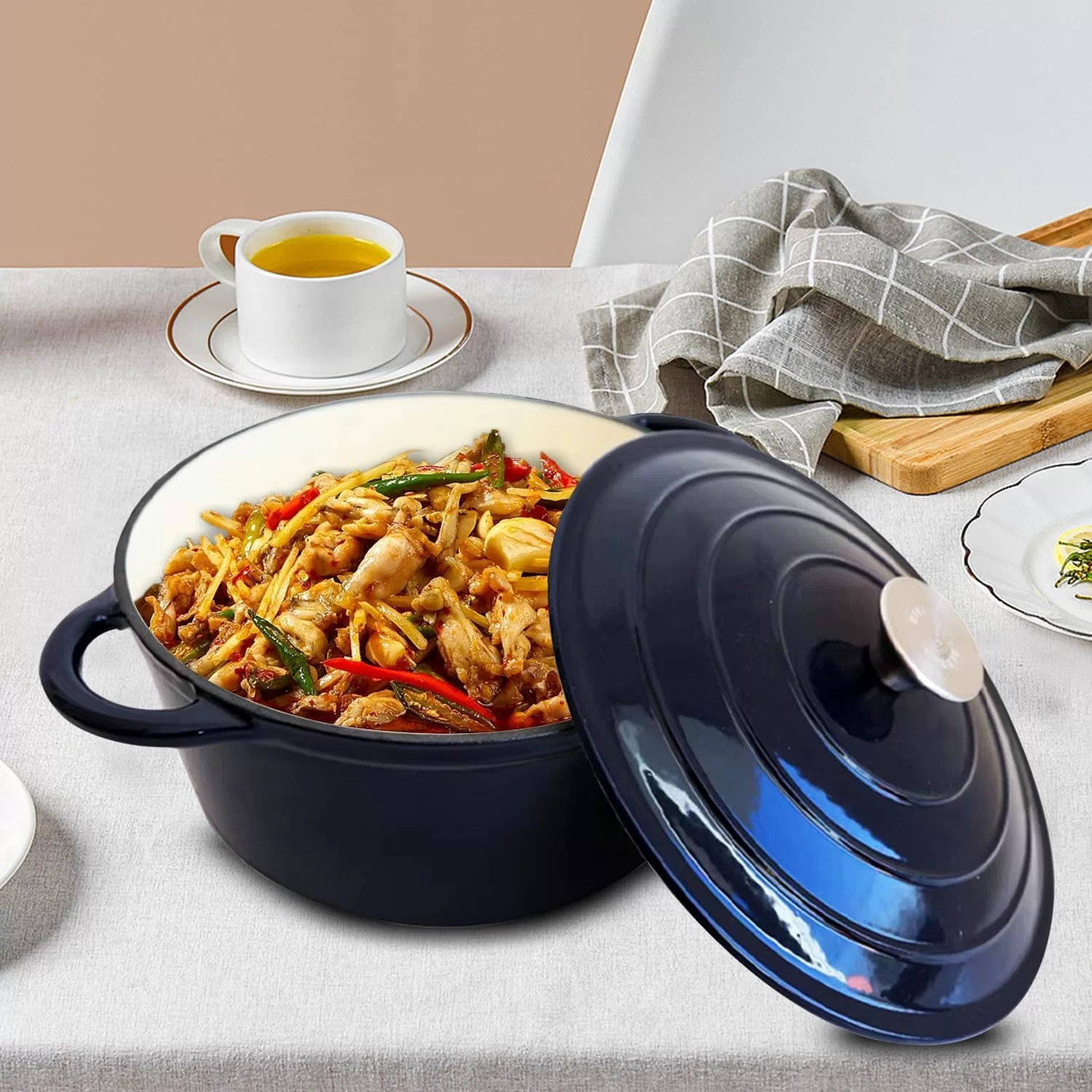
From enamel coatings in vibrant hues to stamped logos, ODM ovens meet brand-specific design requests while retaining core durability characteristics.
Sustainability
Many ODM producers now embrace eco-friendly casting methods and recyclable materials, addressing growing environmental concerns in cookware production.
Product Specification Table
| Specification |
Details |
| Material |
High-quality cast iron |
| Weight |
4.5 - 7 kg (depending on size) |
| Sizes Available |
18 cm, 22 cm, 26 cm, 30 cm diameters |
| Coating |
Enamel or seasoned bare cast iron |
| Oven Safe Temperature |
Up to 260°C (500°F) |
| Lid Type |
Tight-fitting cast iron or enamel-coated lids |
Mini takeaway: ODM cast iron dutch ovens blend heritage craftsmanship with robust materials and modern designs, delivering durable cookware that meets international quality and customization demands.
Global Applications and Use Cases
These ovens do more than simmer stews in a home kitchen. In Africa and Asia, for example, collaborative ODM efforts have enabled local distributors to offer cast iron dutch ovens tailored to rural cooking needs—thick walls retain heat when cooking with scarce fuel, which is crucial. In disaster relief zones, rugged cast iron pots provide safe, reliable cooking equipment that lasts for years, preserving food and dignity amid hardship. Industrial culinary schools in Europe rely on ODM manufacturers for consistent batch orders, while North American outdoor enthusiasts prize premium versions for campfire cooking.
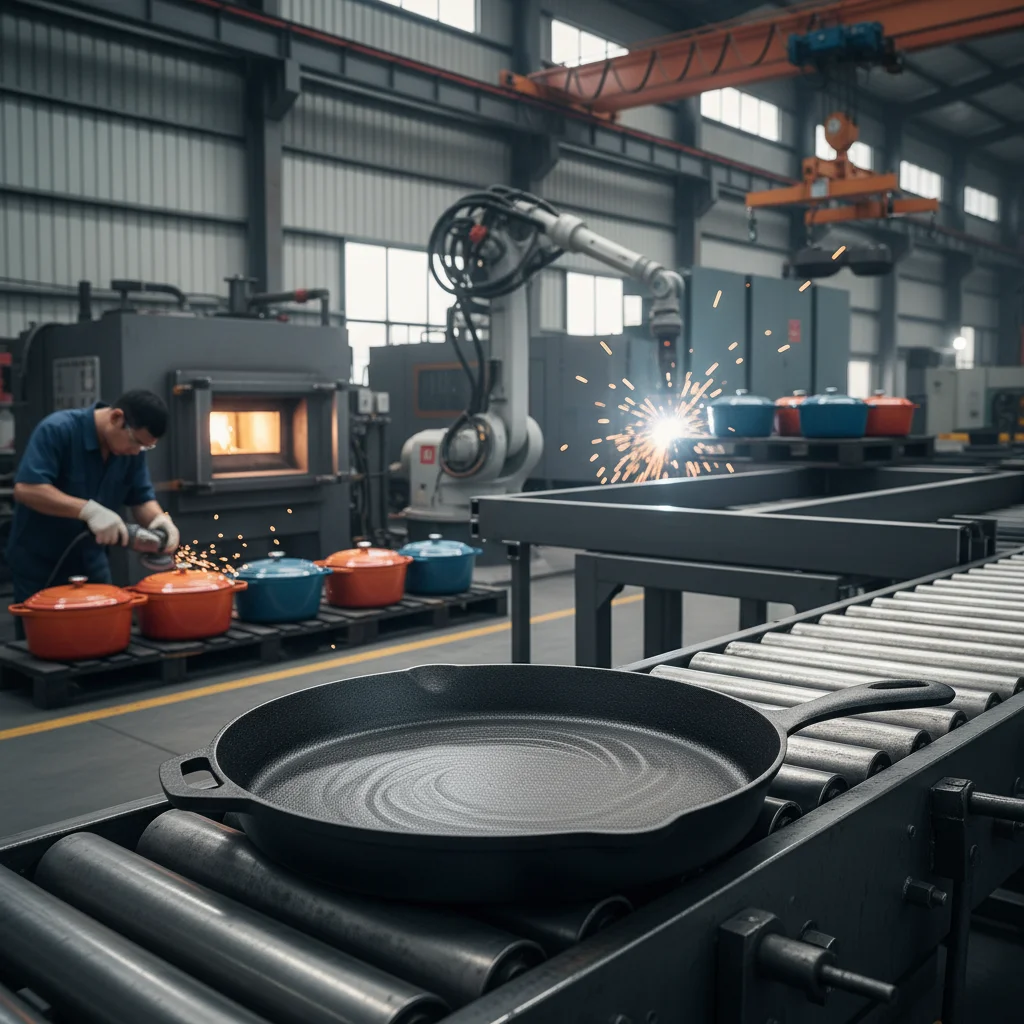
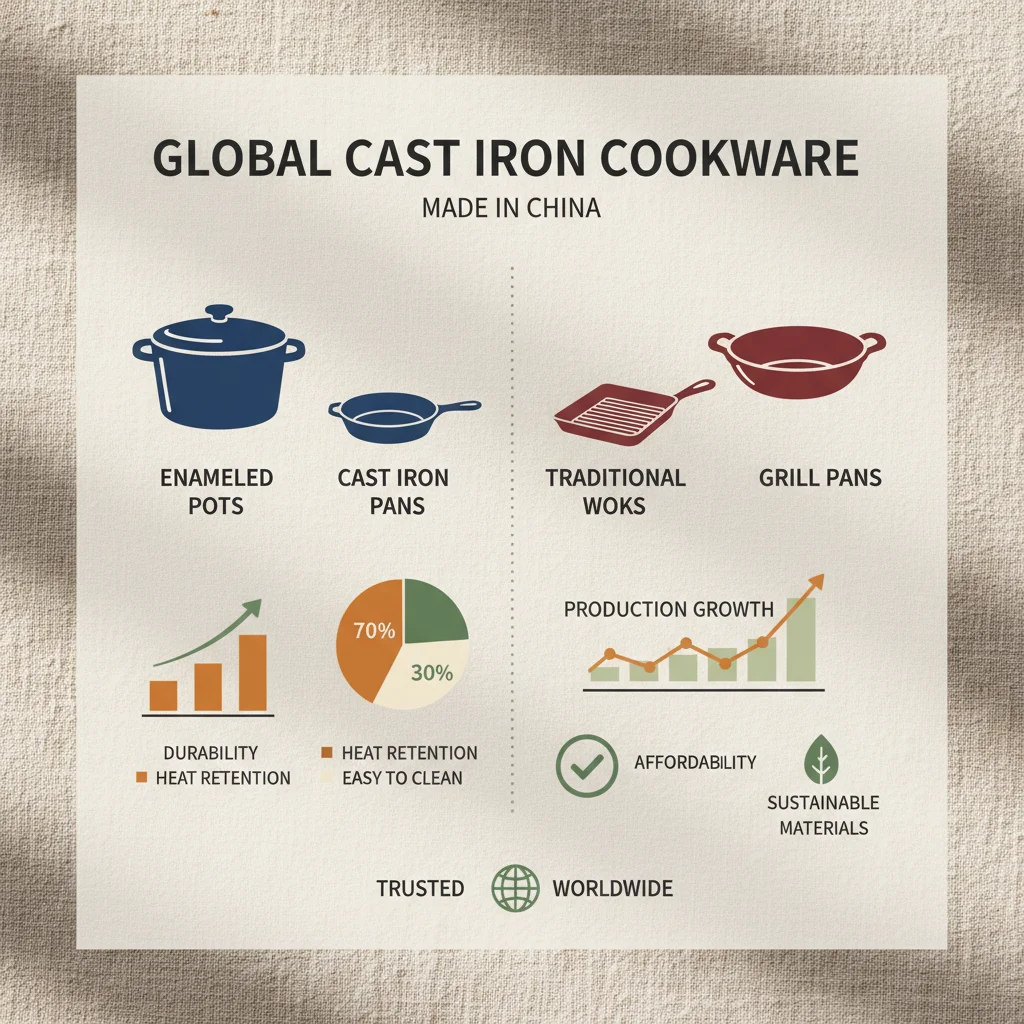
Regionally, China and India remain powerhouses in ODM manufacturing for cast iron products, driving economies of scale and exporting globally. This involvement has spurred quality improvements and pushed environmental compliance in heavy industries.
Vendor Comparison Table
| Vendor Name |
Country |
Specialty |
Typical MOQ |
Eco Certifications |
| Shanxi Ironworks |
China |
Heavy cast iron cookware |
500 units |
ISO 14001, REACH |
| Mumbai Ironcraft |
India |
Custom enamel cast iron designs |
300 units |
BIS certified, Lead-free enamel |
| Colorado Cookware |
USA |
Premium artisan cast iron |
100 units |
FDA compliant, FSC wood handles |
Mini takeaway: Deciding on an ODM partner comes down to matching scalability, sustainability standards, and regional expertise — crucial for a successful cast iron dutch oven supply chain.
Advantages and Long-Term Value of ODM Cast Iron Dutch Ovens
- Cost Savings: ODM models cut overhead by avoiding in-house design, often passing savings to consumers.
- Longevity: Cast iron’s enduring quality means even inexpensive ODM products can last decades, reducing waste.
- Health Benefits: Iron cookware can supplement dietary iron and encourages low-fat cooking techniques.
- Emotional Comfort: Owning a trusted dutch oven connects users to culinary traditions, evoking a sense of home.
- Environmental Impact: With more ODM suppliers adopting greener processes, these items align well with sustainability goals.
Future Trends and Innovations in ODM Cast Iron Dutch Ovens
Innovation’s simmering on the horizon. Expect smarter heat-resistant coatings that reduce seasoning needs, making the ovens more user-friendly. Some ODM companies explore integrating recycled scrap iron, which oddly enough improves certain casting qualities while shrinking carbon footprints. Digital transformation also plays a role — virtual 3D modeling accelerates customized design turnarounds. Plus, sustainability standards are tightening, nudging all players to greener foundry tech and shipping methods.
Challenges and Solutions in ODM Cast Iron Dutch Oven Manufacturing
There’s no perfect pot, I suppose. Challenges include weight (cast iron is heavy), manufacturing variances, and supply chain disruptions. Also, ensuring eco-compliance can be costly upfront — a tricky balance. Experts recommend improving alloy blends for lighter-weight cast iron without sacrificing durability, and lean inventory management buffers supply delays. Brands can partner closely with ODMs who invest in quality assurance labs and real-time data sharing to head off inconsistencies early.
FAQ: Practical Questions About ODM Cast Iron Dutch Oven
- Q: How can I ensure the quality of an ODM cast iron dutch oven before bulk ordering?
A: Request samples and inspect the casting finish, weight distribution, and coating integrity. Verify certificates like ISO 9001 quality management to ensure manufacturing standards.
- Q: Is enamel coating from ODM manufacturers safe and durable?
A: Yes, reputable ODM suppliers use lead-free, FDA-compliant enamels designed to withstand high-heat and resist chipping over time.
- Q: Can ODM cast iron dutch ovens be customized with logos or colors?
A: Absolutely. One advantage of ODM services is customization — from lids to handles and colors, tailored for branding needs.
- Q: How do I maintain and season a bare cast iron dutch oven?
A: Clean with warm water (avoid soap), dry thoroughly, and apply a thin layer of cooking oil. Then bake it inverted at 350°F for an hour to build a protective seasoning.
- Q: Are ODM cast iron dutch ovens environmentally sustainable?
A: Increasingly so — many manufacturers utilize recycled iron, energy-efficient production, and eco-friendly packaging to reduce environmental impact.
Conclusion
In summary, the ODM cast iron dutch oven is much more than a pot; it’s a bridge connecting tradition and modern manufacturing, supporting sustainability, and scaling global culinary needs. This synergy between craftsmanship and innovation invites businesses and consumers alike to invest in products that endure physically and culturally. Curious to see how your kitchen or brand can benefit? Visit our website: ODM cast iron dutch oven and explore quality, style, and heritage in every cast iron creation.
Reflecting on this, it’s fascinating how a centuries-old cookware tradition keeps evolving with global commerce and eco-consciousness, isn’t it?
References:
- Wikipedia: Cast-iron cookware
- ISO 9001 Quality Management
- Statista: Global Cookware Market